


 русский
 Español
 عربى
عربى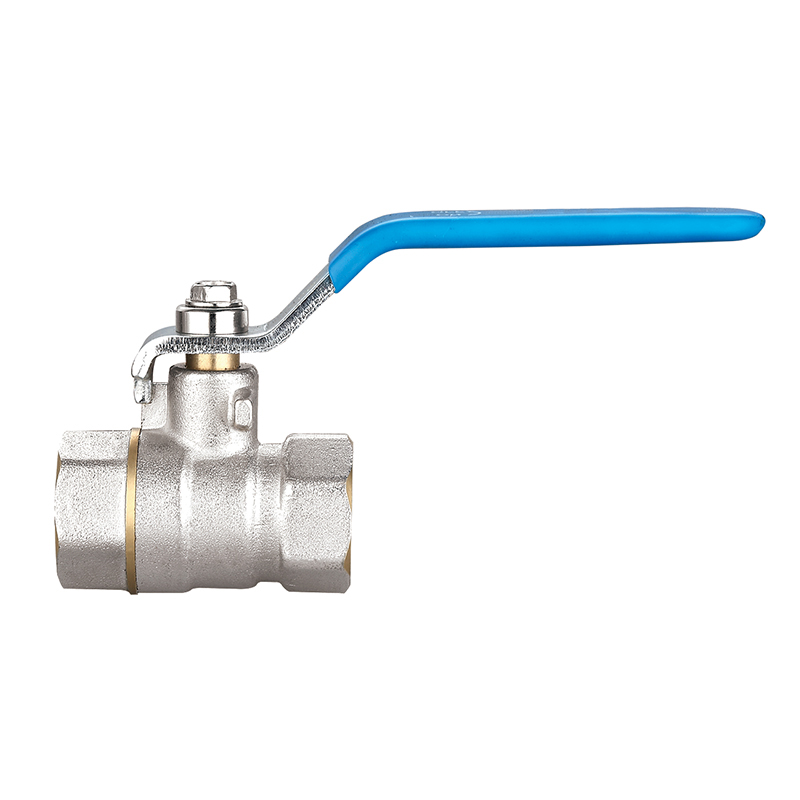

Brass Ball Valve Factories and Industrial Efficiency
2025-12-05
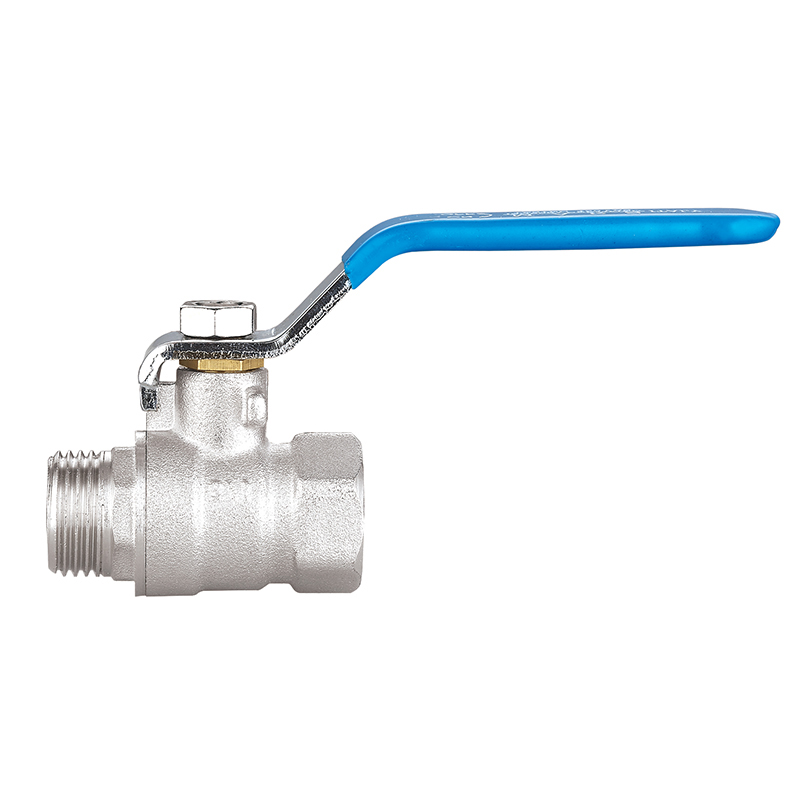
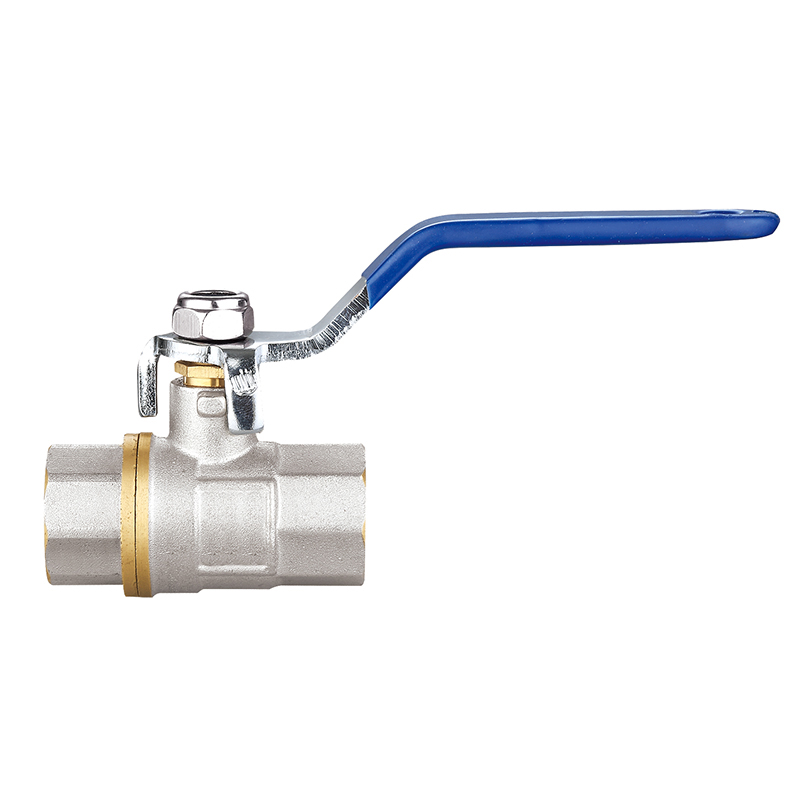
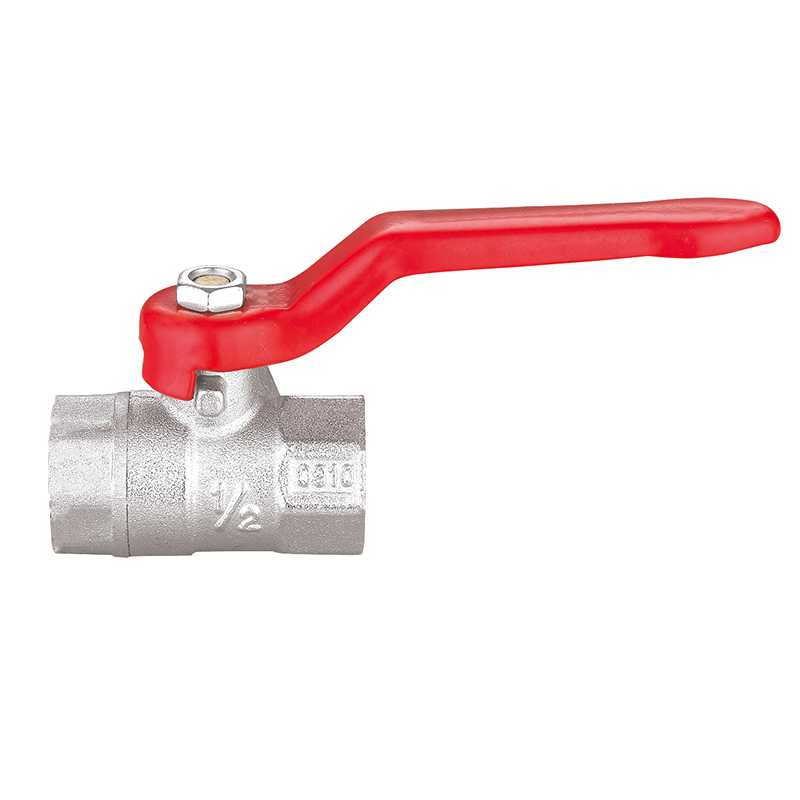
Brass ball valves have become an essential component in numerous applications, from plumbing and heating systems to chemical processing and water distribution. Brass, known for its durability, corrosion resistance, and excellent machinability, makes it an ideal material for ball valves. Brass ball valve factories specialize in producing these high-quality valves, ensuring they meet the rigorous demands of various industries while maintaining top-tier performance.
A brass ball valve is a type of valve that uses a spherical ball to control the flow of liquids or gases through a pipe. The ball has a hole through its center, and when the valve is opened, the hole aligns with the pipe, allowing fluid to flow freely. When closed, the ball rotates, blocking the flow entirely. This simple yet effective design offers several benefits, including ease of operation, minimal wear and tear, and the ability to handle high-pressure environments.
Brass ball valve factories play a vital role in manufacturing these critical components. The process typically begins with the selection of high-quality brass, which is then cast into valve bodies using advanced molding techniques. Once the body is formed, additional components such as the ball, stem, seals, and handles are crafted and assembled. Strict quality control measures are in place at every step of production to ensure that each valve meets industry standards for performance and durability. These factories are equipped with modern machinery, including CNC machines and automated testing systems, to produce precision-engineered valves that meet the specific requirements of various industries.
A key advantage of brass ball valves is their ability to handle a wide range of pressures and temperatures. Brass is highly resistant to corrosion, which makes it suitable for use in harsh environments where other materials may degrade. This makes brass ball valves particularly well-suited for applications in industries such as water treatment, chemical processing, HVAC systems, and oil and gas. The versatility of brass ball valves ensures that they can be used in various industries, including those that require frequent valve operation or those exposed to extreme weather conditions.
The competitive nature of the brass ball valve market has led manufacturers to adopt cutting-edge technologies and techniques to stay ahead. Advanced manufacturing processes such as die casting, forging, and machining ensure that each valve meets precise specifications. Automated testing procedures, such as pressure testing and leak detection, are routinely employed to guarantee that each valve performs optimally under various conditions. This commitment to quality and innovation has made brass ball valve factories essential to the global supply chain, as industries increasingly demand high-performance valves for a wide range of applications.
Cost-effectiveness is another important consideration in the production of brass ball valves. Brass is a cost-effective material compared to other metals like stainless steel or bronze, making brass ball valves an attractive option for industries looking for a balance between durability and cost efficiency. The affordability of brass, combined with its durability and resistance to wear, makes these valves a popular choice for both small-scale and large-scale industrial applications.
In conclusion, brass ball valve factories play a crucial role in providing high-quality valves for various industries, ensuring that critical systems operate smoothly and safely. The continued demand for these valves, driven by infrastructure growth, industrial needs, and technological advancements, positions the brass ball valve market for steady expansion in the years to come.
Contact us
Whether you want to become our partner or need our professional guidance or support in product selections and problem solutions, our experts are always ready to help within 12 hours globally.
INQUIRY NOW
CONTACT


- ADD: Small and micro industrial points, Yungang Village, Chumen Town Yuhuan, Zhejiang, China PC:317605
- E-mail: [email protected]
- Phone:+86-13586173881
Copyright © Zhejiang Yuhuan Shuangwei Copper Products Co., Ltd. All Rights Reserved.
Valve and Pipe Fitting Company
