


 русский
 Español
 عربى
عربى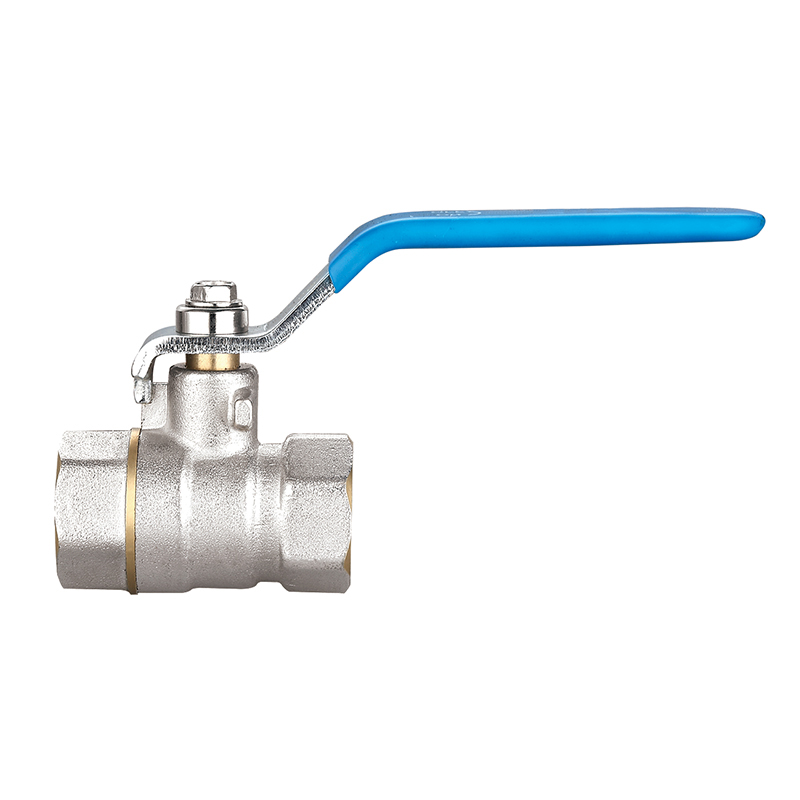

Brass Ball Valve Factories Craft Valves with Care
2026-04-24
Introduction to Brass Ball Valve Factories
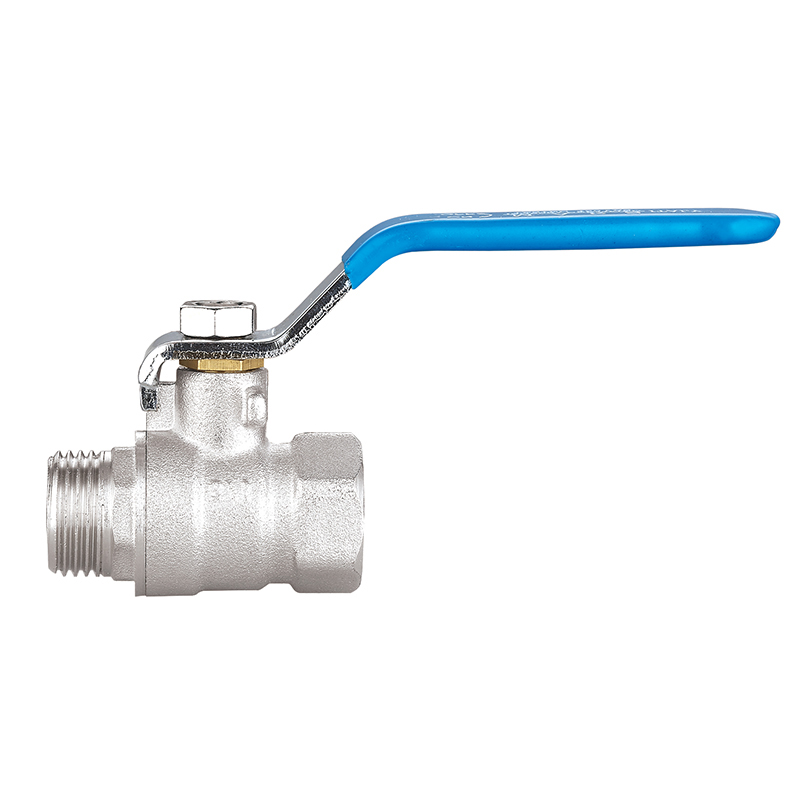
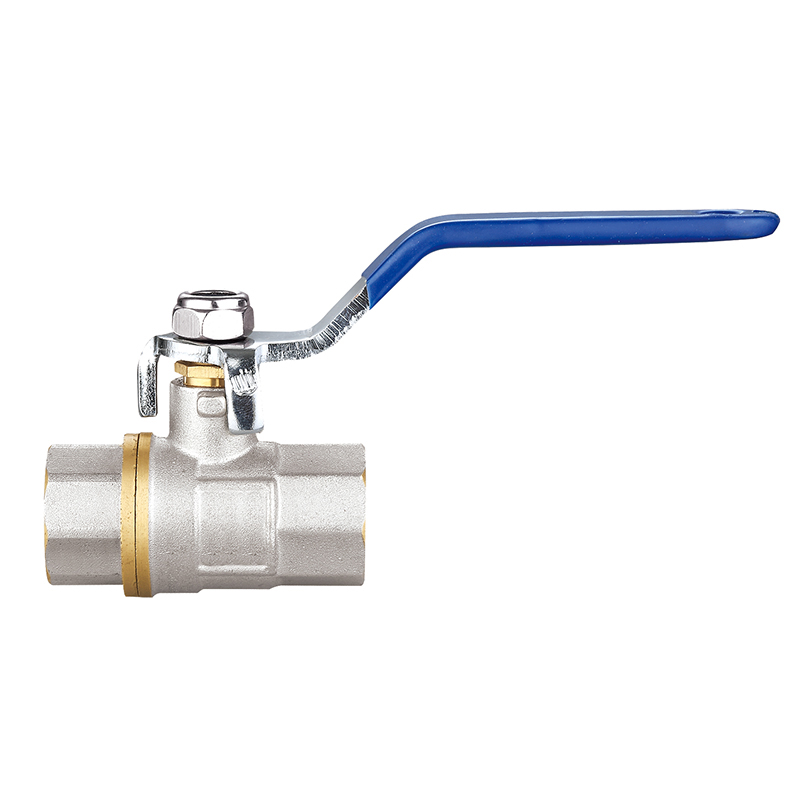
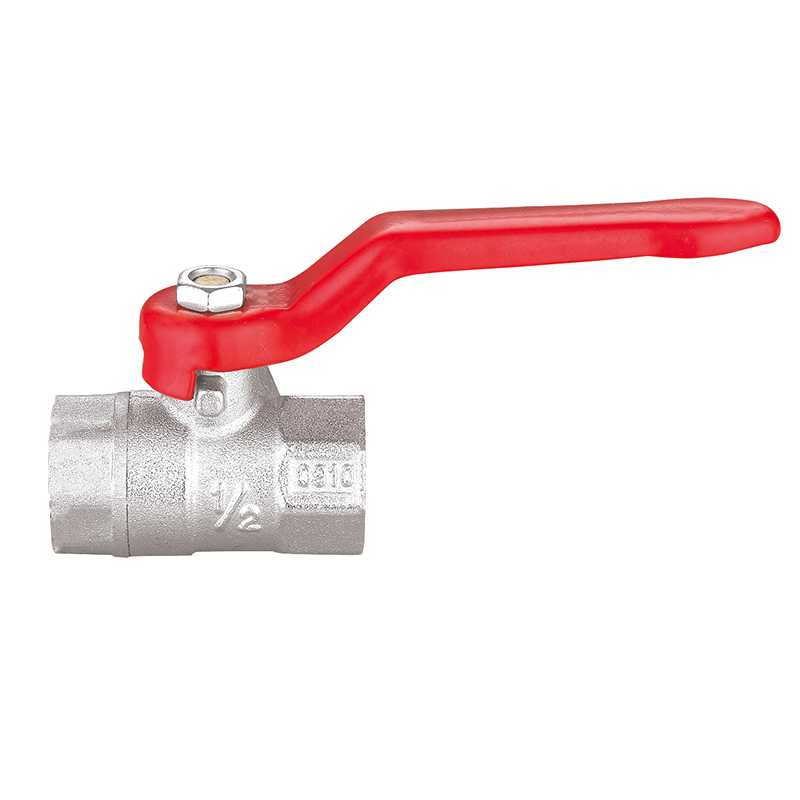
Brass ball valve factories play a pivotal role in manufacturing components that control fluid flow across numerous industries. A brass ball valve consists of a spherical ball with a hole through its center, housed inside a valve body. By rotating the ball, the valve either allows or blocks the flow of liquid or gas. These valves are valued for their simplicity, durability, and ability to provide precise flow control. The factories producing them focus on achieving consistent quality, reliable operation, and compatibility with a wide range of systems.
In industrial, commercial, and residential applications, brass ball valves help regulate water, oil, air, and other fluids efficiently. Factories specialize in creating valves that meet the specifications required for different pressures, temperatures, and piping configurations. The combination of careful material selection, precise machining, and thorough testing ensures that these valves perform reliably in everyday operations.
Materials and Manufacturing Process
The primary material in these valves is brass, an alloy of copper and zinc. Brass offers excellent corrosion resistance, mechanical strength, and ease of machining, making it ideal for valves exposed to water, gas, or mild chemicals. Factories carefully source brass alloys to ensure uniformity and stability during the manufacturing process. Depending on the intended application, additional components like seals, seats, and handles may use PTFE, rubber, or other compatible materials.
The manufacturing process begins with casting or forging the brass into the desired shape. Advanced CNC machines then mill and drill the valve body to precise dimensions, ensuring that the ball fits perfectly and rotates smoothly. The ball itself is polished to reduce friction and provide a tight seal when the valve is closed. Assembly involves inserting seals, springs, and other components, followed by rigorous testing to verify performance under different pressures and operating conditions.
Attention to detail is crucial. Even small deviations can lead to leaks or operational difficulties. Brass ball valve factories implement quality control at every stage, from raw material inspection to final pressure testing, ensuring that each valve meets functional standards and provides consistent performance for its intended application.
Innovations and Factory Techniques
Brass ball valve factories utilize a combination of traditional craftsmanship and modern technology. CNC machining, automated assembly lines, and computer-controlled testing allow for high precision, uniformity, and efficient production. Some factories implement modular designs to simplify assembly and replacement of worn components, reducing downtime for maintenance or upgrades.
Testing is a key part of the production process. Valves are checked for leaks, smooth operation, and durability under simulated operating conditions. Factories often test valves for thousands of cycles to ensure they perform reliably over time. Surface finishing, polishing, and deburring improve valve longevity, reduce friction, and enhance overall performance.
Manufacturers also provide clear technical specifications, including pressure ratings, flow capacity, and dimensional data, so engineers can select the correct valve for their systems. This attention to design, precision, and documentation helps ensure that brass ball valves integrate seamlessly into pipelines, machinery, and automated systems.
Conclusion
Brass ball valve factories produce essential components that control fluid movement across diverse applications. Precise manufacturing, high-quality materials, thorough testing, and careful assembly enable these factories to produce valves delivering reliability, durability, and smooth operation.
Contact us
Whether you want to become our partner or need our professional guidance or support in product selections and problem solutions, our experts are always ready to help within 12 hours globally.
INQUIRY NOW
CONTACT


- ADD: Small and micro industrial points, Yungang Village, Chumen Town Yuhuan, Zhejiang, China PC:317605
- E-mail: [email protected]
- Phone:+86-13586173881
Copyright © Zhejiang Yuhuan Shuangwei Copper Products Co., Ltd. All Rights Reserved.
Valve and Pipe Fitting Company
