


 русский
 Español
 عربى
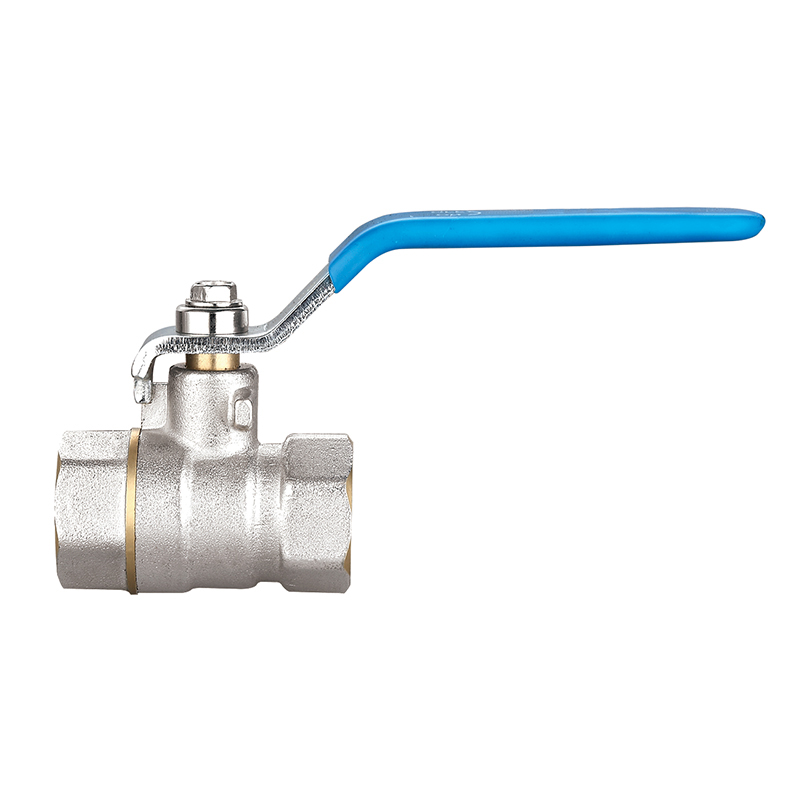

Brass Ball Valve Factory for Fluid Control Systems
2026-10-23
How Brass Ball Valves Control Fluid Flow
In plumbing systems, heating equipment, and industrial pipelines, valves help control how liquids and gases move through connected components. A ball valve uses a rotating ball with a central opening to start or stop flow. When the opening aligns with the pipeline, fluid can pass through. A quarter-turn of the handle rotates the ball to block the passage.
Brass is widely used for ball valves because it can be machined into precise shapes and is suitable for many common water and fluid-control applications. A Brass Ball Valve Factory combines material processing, component machining, assembly, and product testing to manufacture valves for different connection types and operating requirements.
Why Brass Is Used in Ball Valve Manufacturing
Brass is a copper-based alloy that commonly contains zinc. Its machining characteristics make it suitable for manufacturing valve bodies, balls, stems, and other components that require controlled dimensions.
The specific brass composition varies by product design and intended use. Material selection can influence machinability, mechanical properties, and compatibility with the working medium. For this reason, manufacturers need to match the material specification with the valve's intended operating conditions.
The valve body forms the main pressure-containing structure, while the internal ball controls the flow path. Sealing elements sit around the ball to help limit leakage when the valve is closed. The stem connects the ball to the operating handle, allowing the user to rotate the internal mechanism.
These components must fit together according to the product design. Differences in body dimensions, ball geometry, and seal arrangements can affect the valve's operation and compatibility with a particular piping system.
What Happens Inside a Brass Ball Valve Factory?
Manufacturing typically involves several stages, although the exact production process depends on the factory's equipment and product range.
The process may begin with brass bar stock, forged blanks, or cast components, depending on the valve design. The body and other metal parts are then machined to achieve the required dimensions and connection features.
Machining operations can include drilling, threading, turning, and surface finishing. These steps prepare the body for assembly and create the passages through which the fluid travels.
After machining, manufacturers assemble the ball, stem, seals, handle, and other required components. Assembly accuracy matters because the ball must rotate correctly while the sealing elements maintain contact with the relevant surfaces.
A Brass Ball Valve Factory may also conduct functional checks and pressure tests according to the specifications established for each product. These checks help identify assembly issues and confirm that the valve performs within its stated requirements.
Different Valve Designs for Different Applications
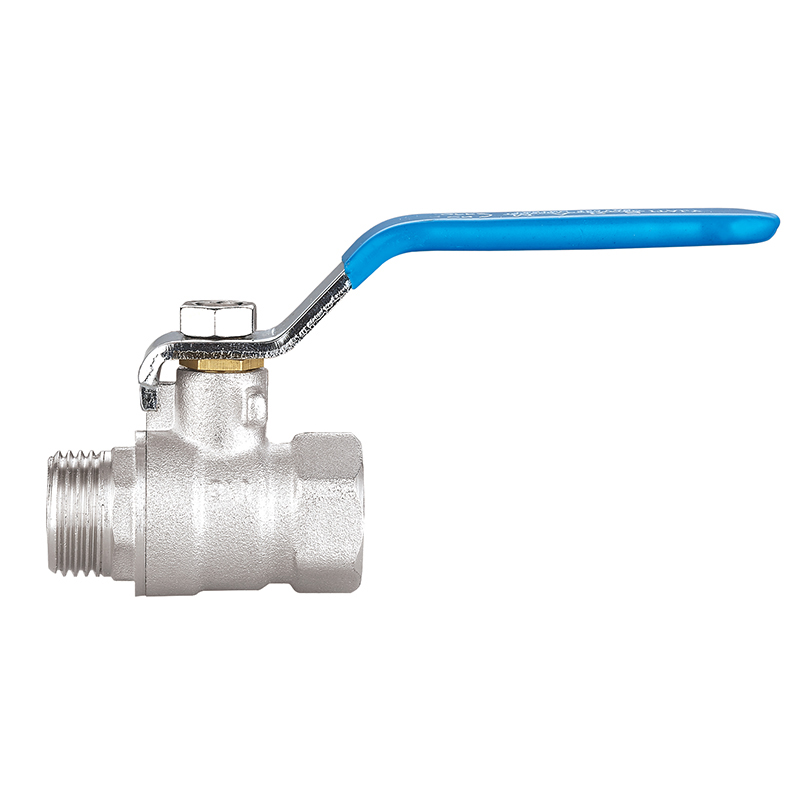
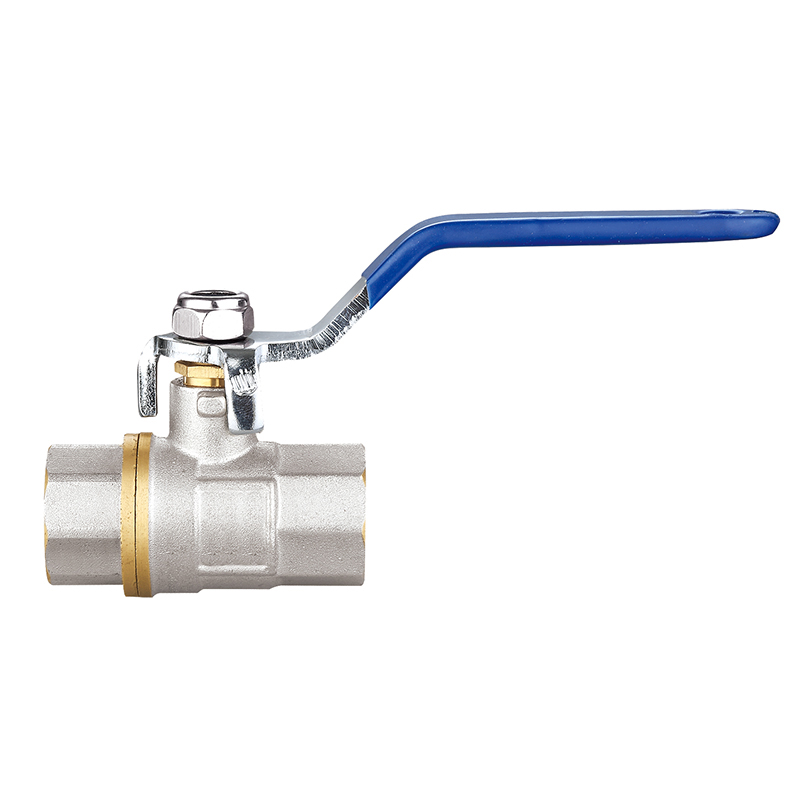
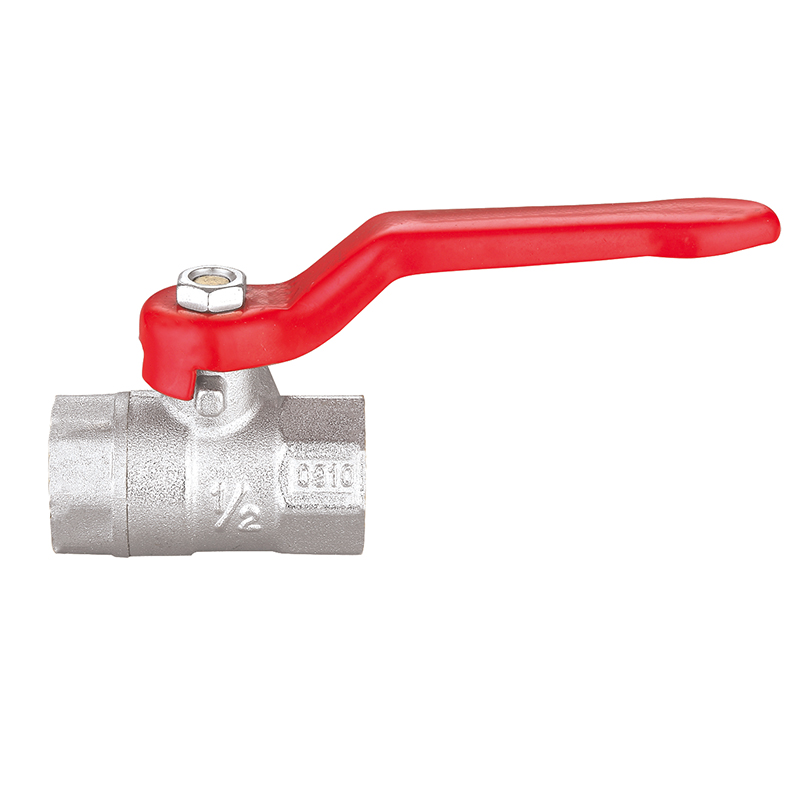
Brass ball valves come in several configurations to suit different installation needs. Two-way valves provide a straightforward on-and-off function, while three-way designs can direct flow between connected passages.
Connection types also vary. Threaded valves are common in plumbing and equipment installations, with thread standards and dimensions selected according to the intended market and piping system. Some designs include compression connections or other connection arrangements.
Port size, handle design, body shape, and internal passage dimensions can also differ between models. Full-port valves have a ball opening designed to provide a relatively unrestricted flow path, while reduced-port designs use a smaller passage through the ball.
Contact us
Whether you want to become our partner or need our professional guidance or support in product selections and problem solutions, our experts are always ready to help within 12 hours globally.
INQUIRY NOW
CONTACT


- ADD: Small and micro industrial points, Yungang Village, Chumen Town Yuhuan, Zhejiang, China PC:317605
- E-mail: [email protected]
- Phone:+86-13586173881
Copyright © Zhejiang Yuhuan Shuangwei Copper Products Co., Ltd. All Rights Reserved.
Valve and Pipe Fitting Company
