


 русский
 Español
 عربى
عربى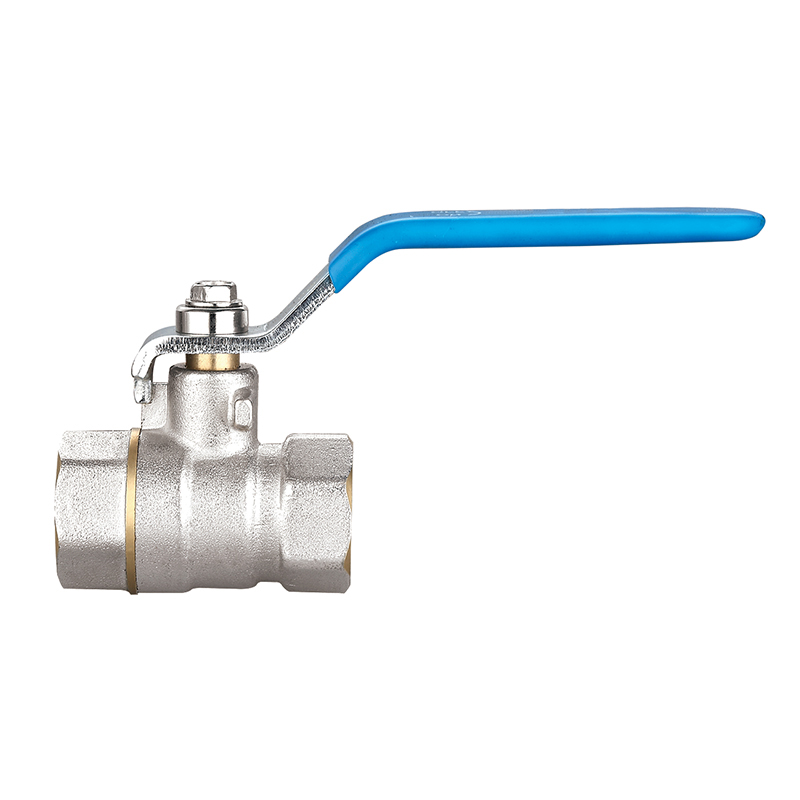

Brass Ball Valve Factory Production Across Industrial Markets
2026-02-06
Manufacturing Foundations Inside a Brass Ball Valve Factory
A brass ball valve factory focuses on producing flow control components used across residential, commercial, and industrial systems. Ball valves made from brass are widely selected due to their mechanical stability, corrosion resistance in common fluid systems, and compatibility with standardized piping connections. Inside a factory setting, production begins with raw brass materials shaped to meet precise dimensional requirements.
Casting or forging processes are commonly used to form valve bodies. Each method influences internal density and surface characteristics. After shaping, valve blanks move into machining lines where CNC equipment creates internal cavities, threading, and sealing surfaces. Precision during this stage determines how smoothly the ball rotates and how effectively the valve shuts off flow.
Material handling and workflow organization play a central role in factory efficiency. Brass ball valve factories often structure production zones to separate forming, machining, assembly, and testing areas. This layout supports quality control and simplifies traceability across each manufacturing stage. Beyond initial forming and machining, factories often focus on surface finishing and internal polishing. Polished ball surfaces reduce friction during rotation and improve sealing against valve seats.
Core Components Produced in a Brass Ball Valve Factory
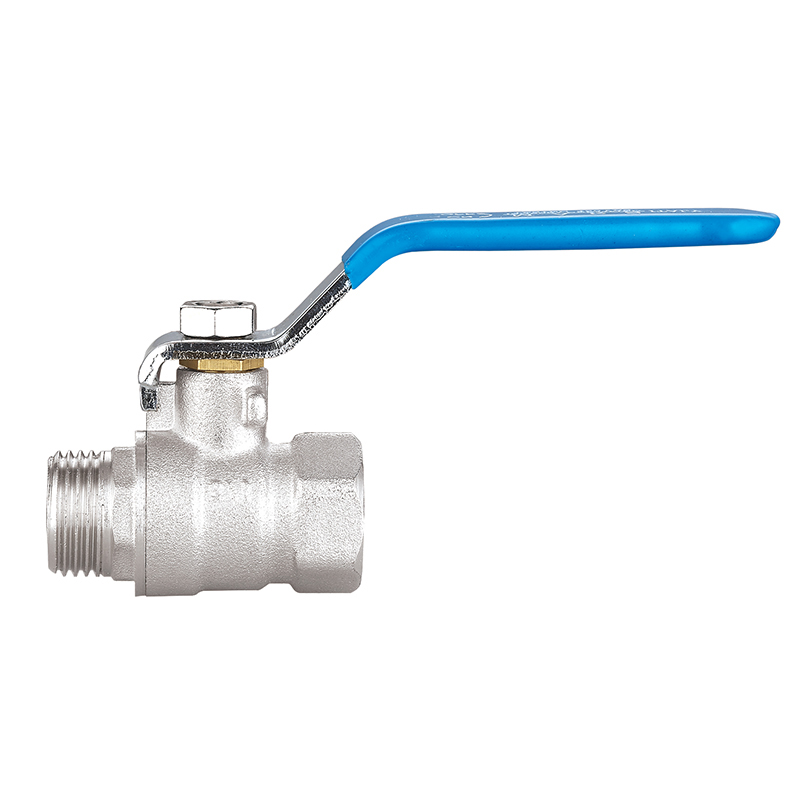
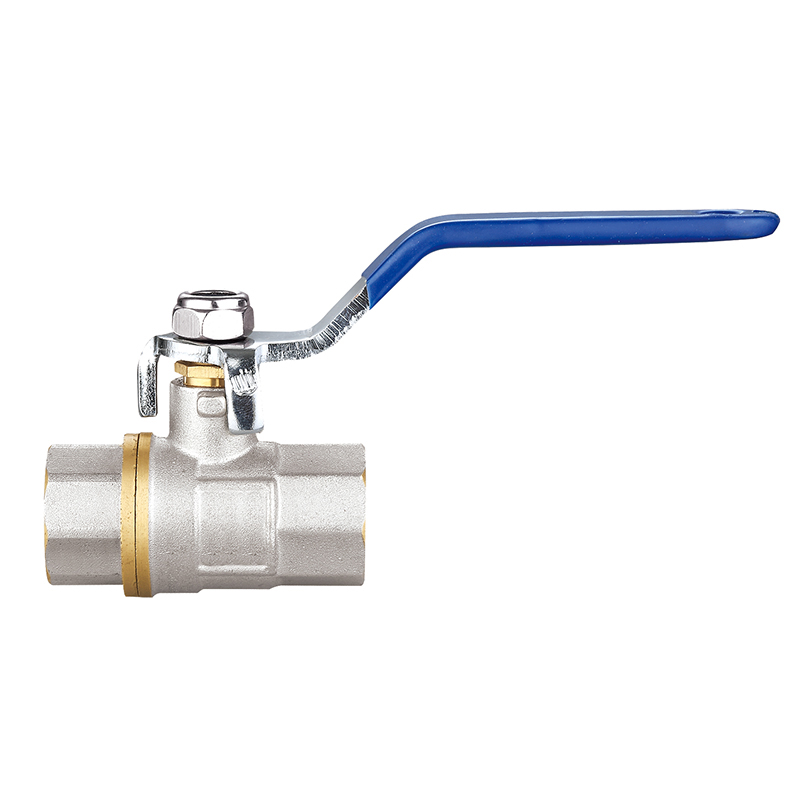
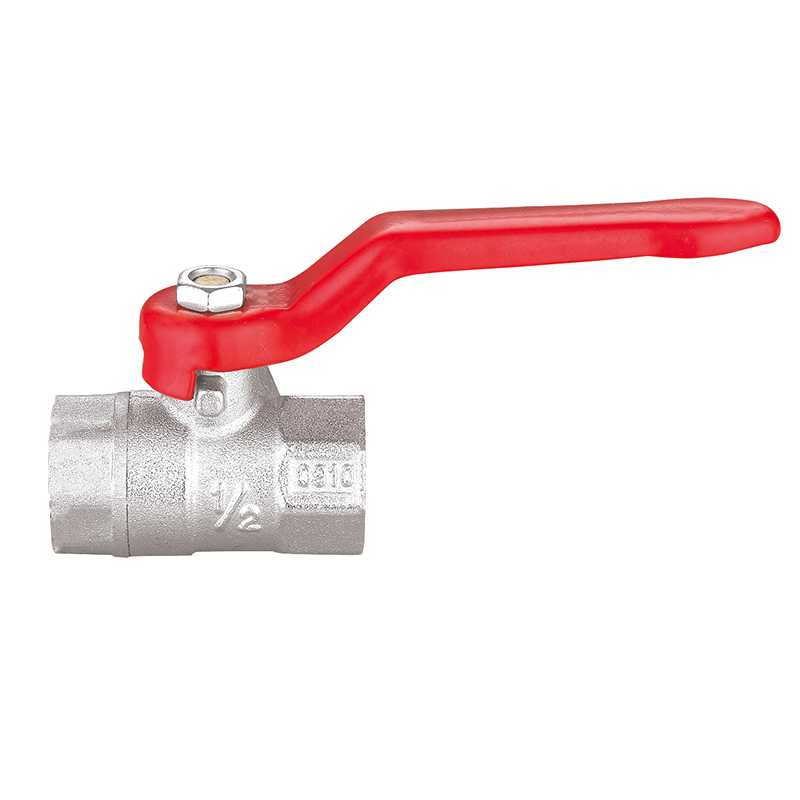
A brass ball valve factory manufactures several interconnected components that function together during operation. The valve body serves as the main housing, containing internal pressure and connecting to pipelines. Inside, a polished brass or plated ball rotates to regulate flow. Sealing elements, commonly made from PTFE or similar materials, ensure tight closure during use.
Machining accuracy influences component interaction. Surface smoothness affects torque requirements, and dimensional alignment supports leak prevention. Factories monitor tolerances closely to ensure reliable performance under standard operating pressures. Assembly technicians align components carefully to maintain smooth operation and consistent valve feel.
Sealing components, although small, are crucial. PTFE seats and O-rings are manufactured to exact tolerances and installed under controlled conditions. Even minor variations in these components can impact valve performance. Semi-automated assembly tools press seals into place without deformation, maintaining consistency across large batches. Lubrication of moving parts facilitates initial operation and reduces start-up torque.
Handles and levers are another important consideration. Factories may produce standardized handles in metal or coated materials, providing torque leverage while protecting the user’s hand. Some lever designs incorporate locking features to prevent accidental operation. Handle attachment systems are tested for durability, ensuring repeated use does not loosen or damage components.
Quality Control Practices in a Brass Ball Valve Factory
Quality control remains a structured process inside a brass ball valve factory. Incoming material inspection verifies alloy composition and mechanical properties. During machining, operators conduct dimensional checks using gauges and measuring tools. These inspections help identify deviations before assembly begins.
Pressure testing is a key stage during final inspection. Completed valves undergo leakage tests using air or water under controlled pressure. This step confirms sealing integrity and body strength. Factories document test results to support customer requirements and regulatory standards.
Visual inspection also plays a role. Surface finish, marking clarity, and handle alignment influence product acceptance. Consistent appearance supports branding and distributor confidence. Through layered inspection procedures, a brass ball valve factory maintains steady output quality across large production volumes.
Market Applications Linked to Brass Ball Valve Factory Output
Products from a brass ball valve factory serve a wide range of applications. Residential plumbing systems rely on ball valves for water supply control, heating circuits, and maintenance isolation points. Compact valve designs support installation in confined spaces without complex adjustment.
Commercial buildings use brass ball valves within distribution networks, mechanical rooms, and service connections. Reliability and ease of operation support routine maintenance activities. Industrial systems also use brass ball valves in air, water, and low-pressure fluid circuits where compatibility and dimensional stability remain important.
Contact us
Whether you want to become our partner or need our professional guidance or support in product selections and problem solutions, our experts are always ready to help within 12 hours globally.
INQUIRY NOW
CONTACT


- ADD: Small and micro industrial points, Yungang Village, Chumen Town Yuhuan, Zhejiang, China PC:317605
- E-mail: [email protected]
- Phone:+86-13586173881
Copyright © Zhejiang Yuhuan Shuangwei Copper Products Co., Ltd. All Rights Reserved.
Valve and Pipe Fitting Company
