


 русский
 Español
 عربى
عربى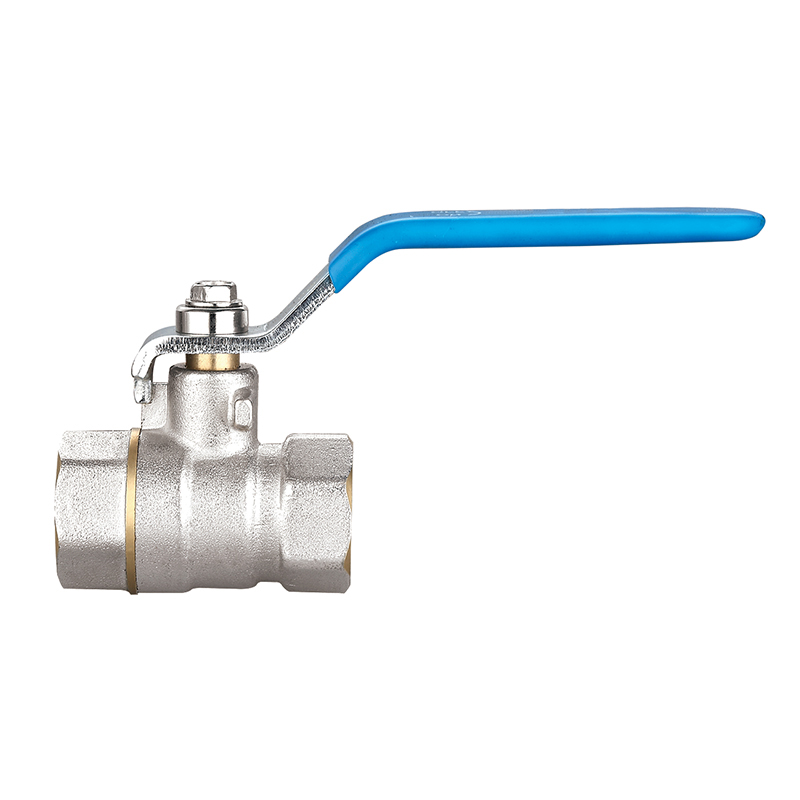

Brass Ball Valve Factory Suits Many Industries
2026-08-07
Walk into any facility that produces plumbing or industrial hardware, and brass fittings are almost always part of the picture. A Brass Ball Valve Factory sits at the center of that supply chain, turning raw brass stock into the shut-off and flow-control components used across residential plumbing, irrigation systems, HVAC lines, and light industrial equipment.
From Raw Material to Finished Valve
The process typically starts with brass rod or billet, which gets cut into blanks sized for the specific valve being produced. From there, the material moves through hot forging or casting, depending on the design and wall thickness required. Forging tends to produce a denser, more uniform structure, which is part of why many factories favor it for valve bodies that need to hold pressure reliably.
Once the rough body takes shape, it goes through CNC machining to cut internal threads, bore the ball chamber, and finish external surfaces to exact tolerances. The ball itself — the rotating component that opens and closes flow — is machined separately and polished so it seals cleanly against the seats inside the valve body.
Core Components Assembled Together
A finished ball valve isn't a single piece; it's an assembly of several parts working in coordination:
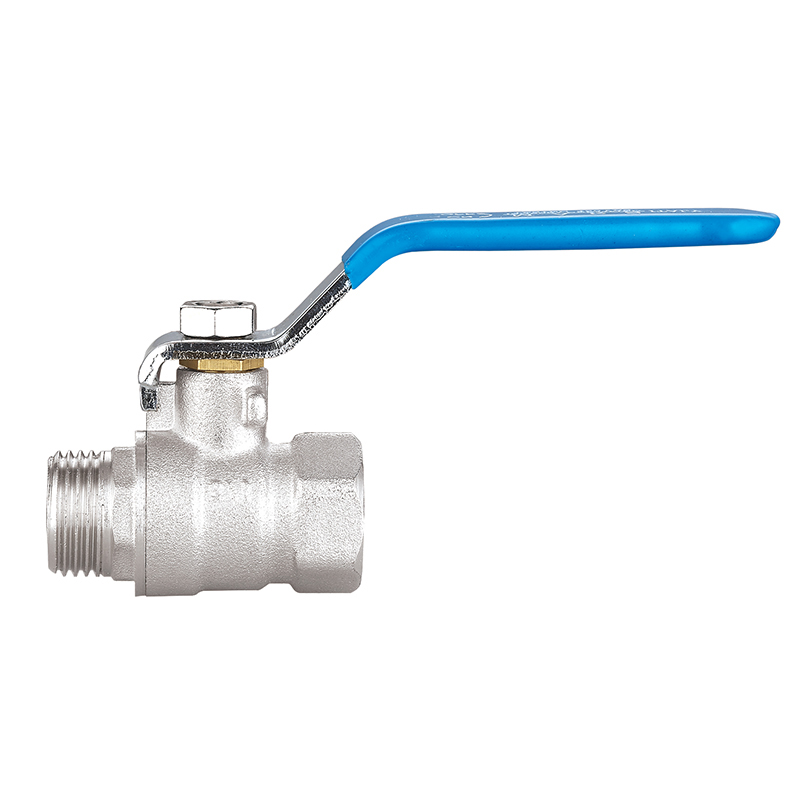
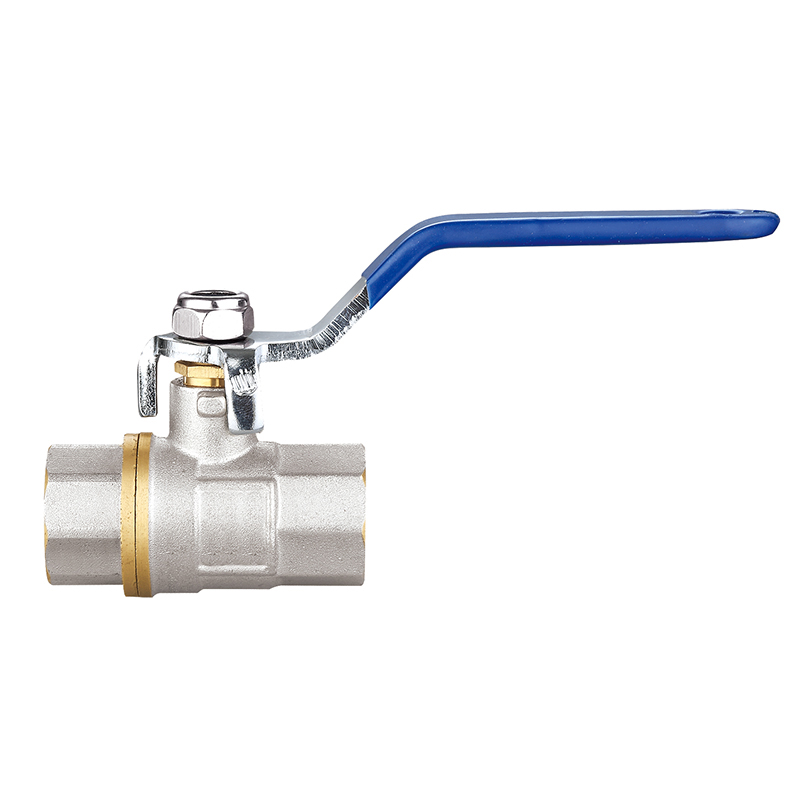
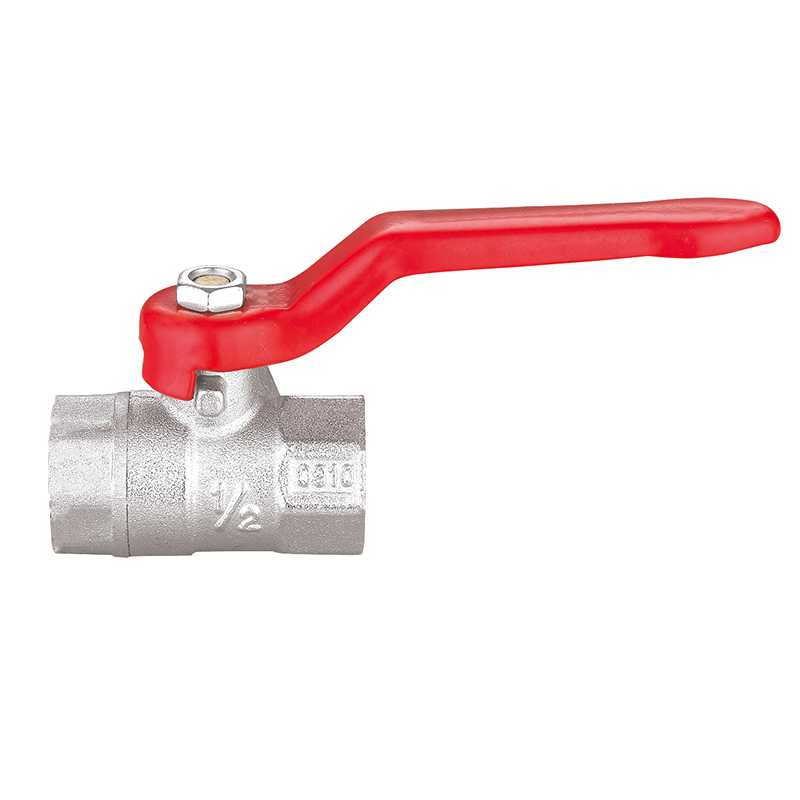
- The valve body, which houses everything and connects to piping on either end
- The ball, which rotates a quarter turn to open or block flow
- Seats, usually made from PTFE or similar material, that the ball presses against to form a seal
- The stem, which connects the external handle or actuator to the ball
- A handle or lever for manual operation, or a mounting pad for automated actuators
Each of these parts is produced or sourced separately and brought together on an assembly line, where workers or automated equipment fit them into the body under controlled torque settings.
Testing Before Products Leave the Floor
Pressure testing is a standard part of production. Valves are typically connected to a test rig that pushes air or water through them at rated pressure to check for leaks at the seals, seats, and body joints. Units that don't hold pressure as expected get pulled from the batch. This step happens before packaging, not as an afterthought, since a valve that fails under test pressure has no practical use downstream.
Customization for Different Buyers
Because ball valves get used across so many industries, factories commonly work with buyers who need variations on a standard design. Typical adjustments include:
Different port sizes to match pipe diameters, alternate handle styles (lever versus butterfly-style handles), custom markings or branding stamped into the body, and threading standards suited to different regional plumbing codes. OEM and ODM buyers often submit drawings or specifications early in the process so the factory can confirm feasibility before a full production run begins.
Why Buyers Source Directly From Factories
Sourcing from a factory rather than a distributor often comes down to control — over specifications, over batch consistency, and over turnaround for larger orders. A factory setup also makes it easier to request modest design changes without renegotiating through multiple layers of resellers, which matters for buyers placing recurring bulk orders rather than one-off purchases.
A Practical Summary
At its core, a brass ball valve factory exists to convert raw metal into a component that has to do one job reliably: open and close flow without leaking. The combination of forging or casting, precision machining, careful assembly, and pressure testing is what makes that reliability possible at scale, whether the buyer is ordering a handful of valves for a specific project or placing a standing order for ongoing production needs.
Contact us
Whether you want to become our partner or need our professional guidance or support in product selections and problem solutions, our experts are always ready to help within 12 hours globally.
INQUIRY NOW
CONTACT


- ADD: Small and micro industrial points, Yungang Village, Chumen Town Yuhuan, Zhejiang, China PC:317605
- E-mail: [email protected]
- Phone:+86-13586173881
Copyright © Zhejiang Yuhuan Shuangwei Copper Products Co., Ltd. All Rights Reserved.
Valve and Pipe Fitting Company
