


 русский
 Español
 عربى
عربى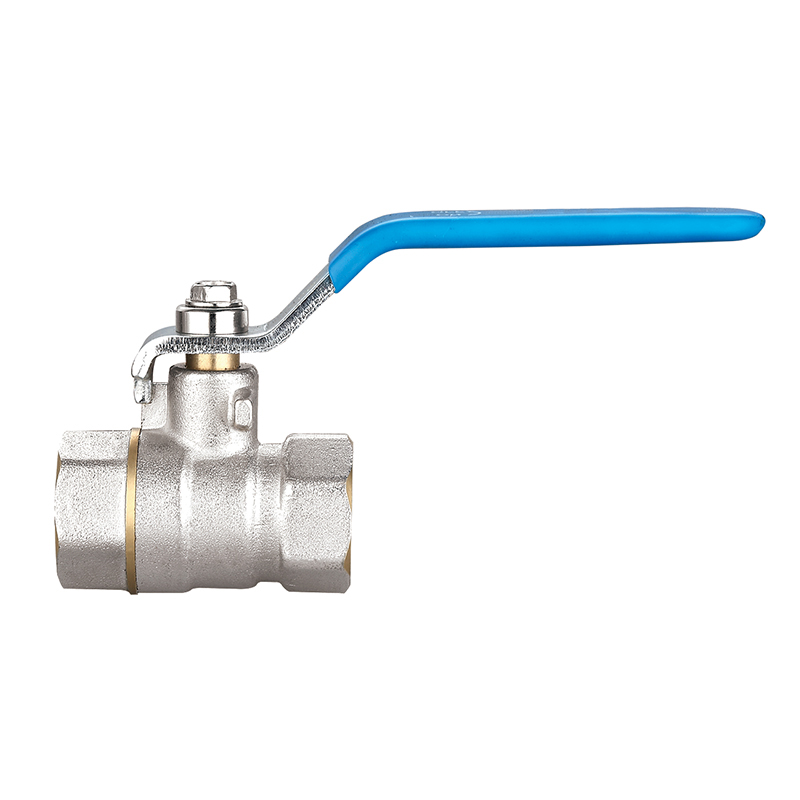

Brass Ball Valve Factory Tips for Better Sourcing
2026-06-26
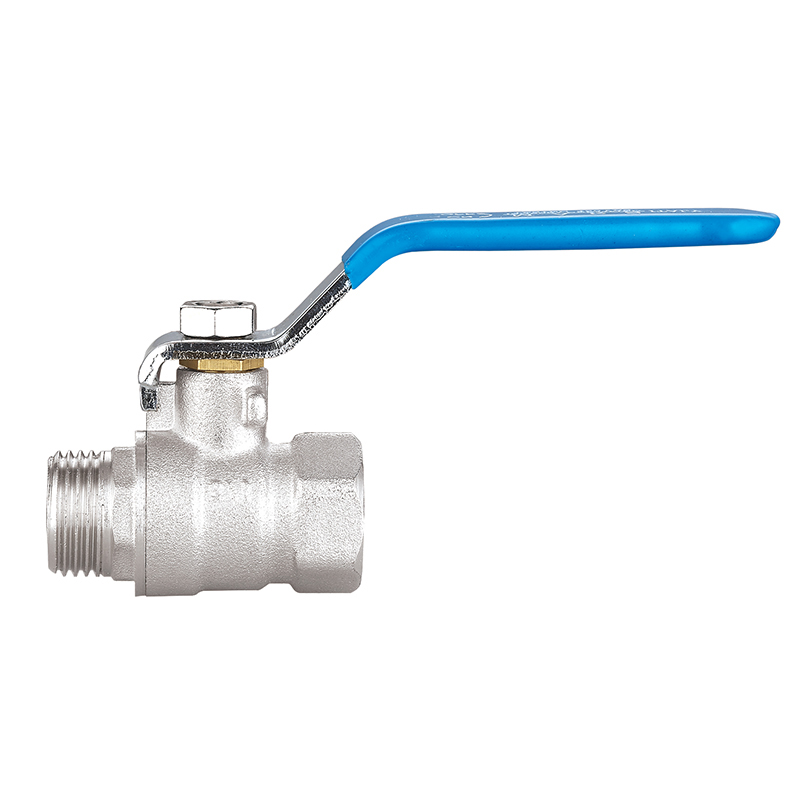
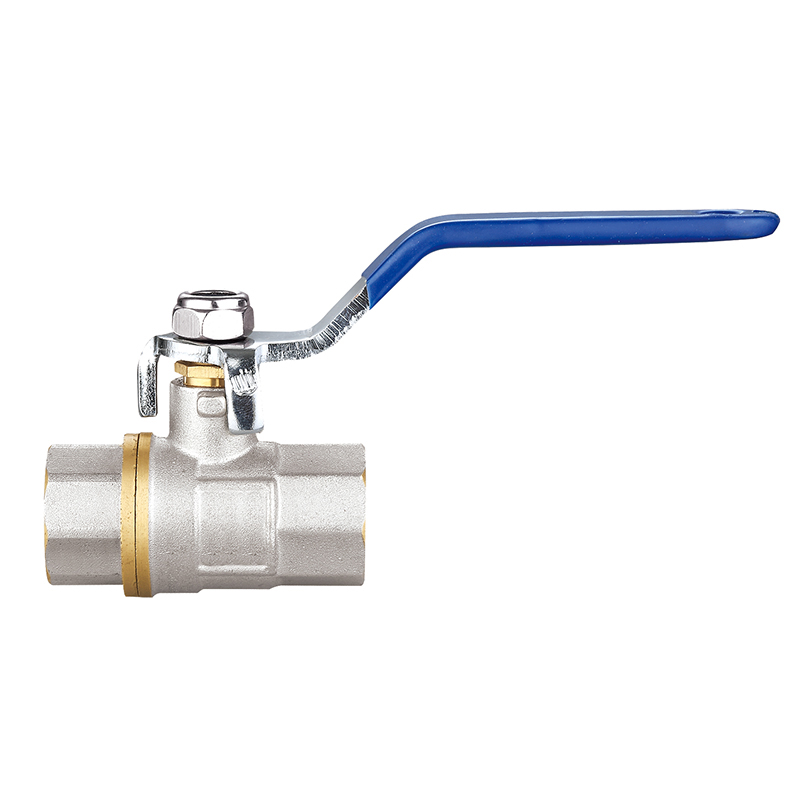
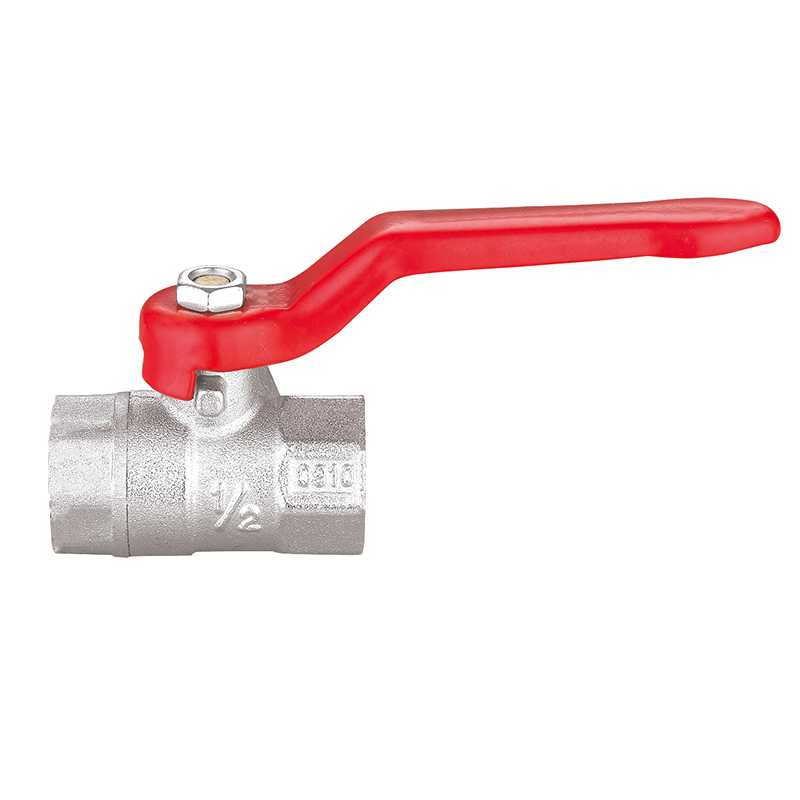
Brass ball valves turn up everywhere — plumbing systems, gas lines, HVAC circuits, industrial fluid handling. The brass ball valve factory producing them is where the supply chain actually begins, and what happens on that production floor shapes how the valve holds up once it's installed and running. Alloy selection, machining tolerances, assembly sequence — none of it is visible in the finished product, but all of it shows up eventually in service life and leak performance.
Brass gets used for ball valve bodies because it machines without much trouble, holds thread forms under torque, and handles corrosion reasonably well across water and a range of chemical media. That said, the specific alloy in use matters more than the general category. Factories working with dezincification-resistant brass produce valves that hold up in aggressive water conditions where standard brass alloys gradually lose zinc to the surrounding fluid. The finished valve looks identical either way — which is exactly why material documentation from the factory carries more weight than appearance alone when comparing suppliers.
The ball is where production quality shows most directly. Sphericity and surface finish tolerances on the ball determine sealing consistency and operating torque across the valve's service life. A ball that drifts from true spherical geometry creates uneven seat contact, and uneven seat contact means leakage paths in the closed position and higher-than-expected operating force. Factories running dedicated ball grinding and polishing equipment hold tighter control over this than those purchasing balls from variable outside sources.
Seat material is the other production variable that tends to separate reliable valves from problematic ones. The seats bear against the ball on both sides of the bore, and what they're made from determines compatibility with the fluid, operating temperature, and pressure cycling the valve will see in service. Common options across factories include:
- Virgin PTFE: Handles water, air, and mild chemicals without issue; low friction and decent chemical resistance make it the default for general service
- Reinforced PTFE: Glass fiber or carbon filler added to improve dimensional stability when pressure and temperature cycling would otherwise deform a virgin PTFE seat over time
- PEEK: Specified where temperatures push beyond what standard PTFE can handle reliably
- Nylon: Appears in lower-pressure, lower-cost assemblies, though chemical compatibility is narrower
A factory that assembles to seat specification rather than defaulting to one material across the board is generally working from a more developed process than one treating seat selection as an afterthought.
Production moves through several stages, each carrying its own failure modes if controls slip:
- Forging or casting: The body starts here. Forged bodies come out denser with fewer internal voids than cast equivalents — a difference that matters when the valve is holding pressure continuously
- CNC machining: Bore, thread, and seat pocket dimensions get cut to spec. Consistency across a batch depends on tooling condition and how frequently dimensions are checked during the run
- Ball and stem fitting: Components are assembled with seats in place and stem packing applied
- Cycle testing and leak check: Finished valves are operated and pressure-tested before they leave the production area
End connection options produced across brass ball valve factories cover most installation scenarios. Threaded NPT or BSP ends handle the bulk of plumbing and HVAC work. Push-fit and compression ends appear in residential applications. Flanged configurations are less common in brass but show up in specific industrial setups. Factories offering multiple connection types from the same body size range give buyers room to consolidate sourcing across projects that span different installation standards.
Contact us
Whether you want to become our partner or need our professional guidance or support in product selections and problem solutions, our experts are always ready to help within 12 hours globally.
INQUIRY NOW
CONTACT


- ADD: Small and micro industrial points, Yungang Village, Chumen Town Yuhuan, Zhejiang, China PC:317605
- E-mail: [email protected]
- Phone:+86-13586173881
Copyright © Zhejiang Yuhuan Shuangwei Copper Products Co., Ltd. All Rights Reserved.
Valve and Pipe Fitting Company
