


 русский
 Español
 عربى
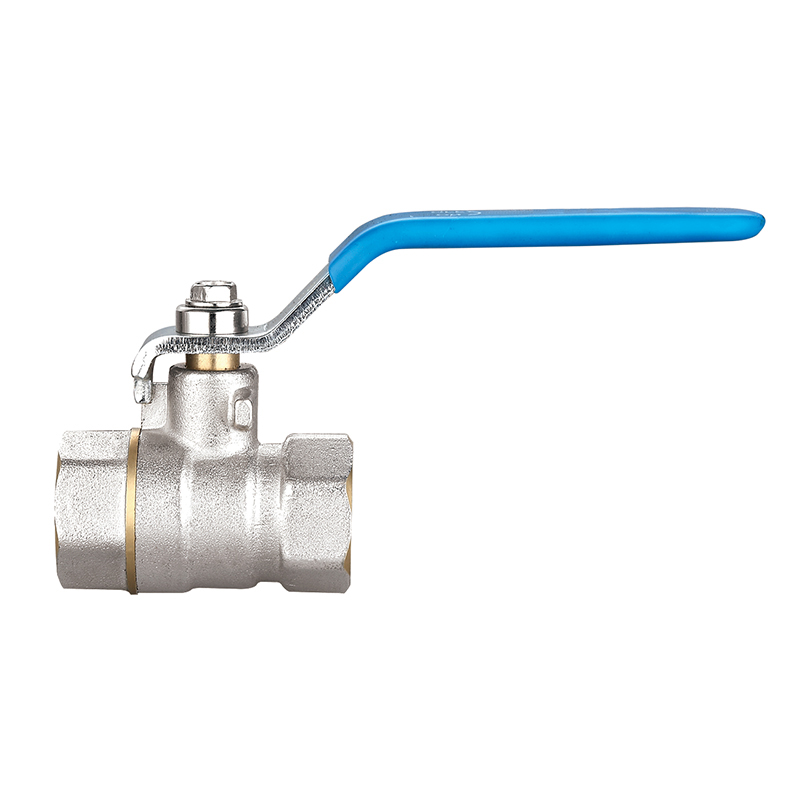

Chrome-plated Bibcock Factory builds durable fittings
2026-11-06
Brass Bodies and Surface Preparation
Most units start as brass castings or forged blanks. The alloy provides the strength and machinability needed for threaded ends and valve seats. After rough machining, the bodies move to grinding and polishing stations where operators remove tool marks and create a uniform base for plating. The Chrome-plated Bibcock Factory pays close attention to this stage because any remaining scratch or pit will show through the final chrome layer and affect both appearance and corrosion resistance in service.
Chrome plating itself is applied in controlled baths after thorough cleaning and activation steps. The deposit thickness is kept within a defined range so the surface stays bright without becoming brittle. Buyers who handle fittings for hotels, factories or public buildings often request a visual check of the plated surface under good light, looking for even coverage on curves and edges.
Production Flow from Blank to Finished Fitting
Inside the plant the sequence is straightforward. Cast or forged blanks are inspected for porosity, then held in fixtures for CNC turning of the threads and internal passages. Valve seats receive careful finishing so the spindle and washer seal cleanly. After polishing, the parts enter the plating line in batches. Racks are designed to allow full solution contact and even current distribution. Once plated, the bibcocks are rinsed, dried and assembled with spindles, handles and packing.
A Chrome-plated Bibcock Factory that keeps these steps in a continuous flow can respond faster to mixed-size orders. Dimensional gauges and thread checkers are used at several points so out-of-tolerance pieces are removed before plating. This reduces waste and gives the finished goods a higher pass rate when the buyer performs incoming inspection.
Common Places These Fittings Appear
Chrome-plated bibcocks are frequently specified for outdoor taps, utility rooms, wash-down points and secondary water outlets in commercial buildings. The bright surface resists fingerprints and mild cleaning agents, which makes the fittings practical in kitchens, workshops and service corridors. Industrial sites install them on process water lines where a simple quarter-turn or multi-turn valve is sufficient and a polished appearance is still preferred.
Purchasing teams matching these fittings to existing pipework check the thread standard (BSP, NPT or others), the spout length and the handle style. A Chrome-plated Bibcock Factory that offers a range of these options under one production system simplifies the buyer’s consolidation of suppliers.
Matching Factory Capability to Project Needs
Some projects call for a higher volume of identical bibcocks for multi-building developments. Others need smaller runs with specific spout angles or lockable handles. A Chrome-plated Bibcock Factory that maintains both high-volume plating lines and flexible machining cells can cover both situations. The key for the buyer is to confirm that the same quality checks apply whether the order is large or small.
Surface durability under repeated use is another point of discussion. The chrome layer must stay intact through normal handling and occasional contact with cleaning solutions. Factories that document the plating process parameters give purchasing teams confidence that the finish will remain consistent from the first carton to the last.
Contact us
Whether you want to become our partner or need our professional guidance or support in product selections and problem solutions, our experts are always ready to help within 12 hours globally.
INQUIRY NOW
CONTACT


- ADD: Small and micro industrial points, Yungang Village, Chumen Town Yuhuan, Zhejiang, China PC:317605
- E-mail: [email protected]
- Phone:+86-13586173881
Copyright © Zhejiang Yuhuan Shuangwei Copper Products Co., Ltd. All Rights Reserved.
Valve and Pipe Fitting Company
