


 русский
 Español
 عربى
عربى

Polished Angle Valve Performance in Real Projects
2026-05-08
What Polished Angle Valves Do in Real Installations
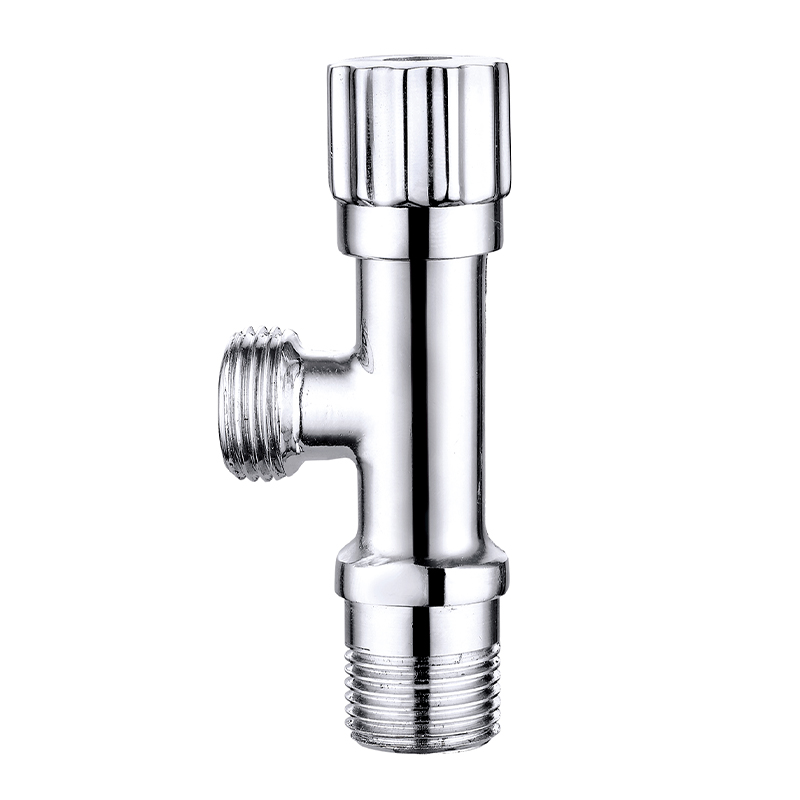
Angle valves act as shut-off points in water lines feeding sinks, toilets, bidets, and other fixtures. The polished surface gives them a bright, clean look that works well in places where the valve stays visible, such as under modern bathroom or kitchen counters.
Most factories produce these valves mainly from brass or stainless steel. The polishing step creates a smooth finish that holds up against moisture and daily use. Manufacturers keep a range of sizes and connection types in their catalogs so plumbers and contractors can find something that matches both old pipes and newer installations. This variety helps keep projects moving without too many special orders.
How Factories Handle Production These Days
Polished angle valve factories have made several practical updates to their workshops. Many now use CNC machines for precise cutting and threading, followed by automated or semi-automated polishing stations. This helps keep the surface quality steady from one batch to the next.
Teams still carry out manual checks for things like smooth handle movement and proper sealing. Factories pay attention to water and energy use during production, recycling where they can and trimming down on waste material. Some have also improved their packaging methods to protect that polished shine during shipping so valves arrive looking fresh. Testing usually covers pressure holding and repeated open-close cycles to catch any issues before the product leaves the door.
Common Uses in Homes and Commercial Buildings
In residential settings, polished angle valves turn up under sinks, behind toilets, and in shower valve assemblies. Renovators like them because they update the look of a bathroom without tearing out entire plumbing lines. Their compact size makes them useful in tight spaces common in older houses.
Commercial projects such as hotels, office buildings, and restaurants go through large quantities of these valves. Maintenance teams appreciate that the valves are straightforward to service when needed. In light industrial applications, they appear in water supply lines, utility rooms, and some processing areas where both function and appearance count.
Requirements differ by location. Valves near hot water need suitable seals for temperature swings, while those in public areas might use handles that discourage tampering. Rather than making completely different lines for every case, many factories tweak their standard models based on feedback from distributors and installers.
What Buyers Usually Consider
When contractors and distributors look at polished angle valve factories, they focus on a few down-to-earth points. Reliable delivery times matter a lot because a late shipment can stall an entire job. Consistent quality from one order to the next reduces headaches and callbacks after installation.
Availability of spare parts and basic technical support also influences choices. Factories that keep decent stock levels and offer clear instructions help keep things simple for field teams. Price obviously plays a role, but many buyers weigh it against long-term factors like how the valves perform after months or years in place.
Polished angle valve production continues to move along with the broader plumbing and construction sectors. As building styles and material choices evolve, factories that stay flexible while keeping an eye on finish quality and everyday reliability remain useful partners for suppliers and contractors working across residential and commercial jobs.
Contact us
Whether you want to become our partner or need our professional guidance or support in product selections and problem solutions, our experts are always ready to help within 12 hours globally.
INQUIRY NOW
CONTACT


- ADD: Small and micro industrial points, Yungang Village, Chumen Town Yuhuan, Zhejiang, China PC:317605
- E-mail: [email protected]
- Phone:+86-13586173881
Copyright © Zhejiang Yuhuan Shuangwei Copper Products Co., Ltd. All Rights Reserved.
Valve and Pipe Fitting Company
