


 русский
 Español
 عربى
عربى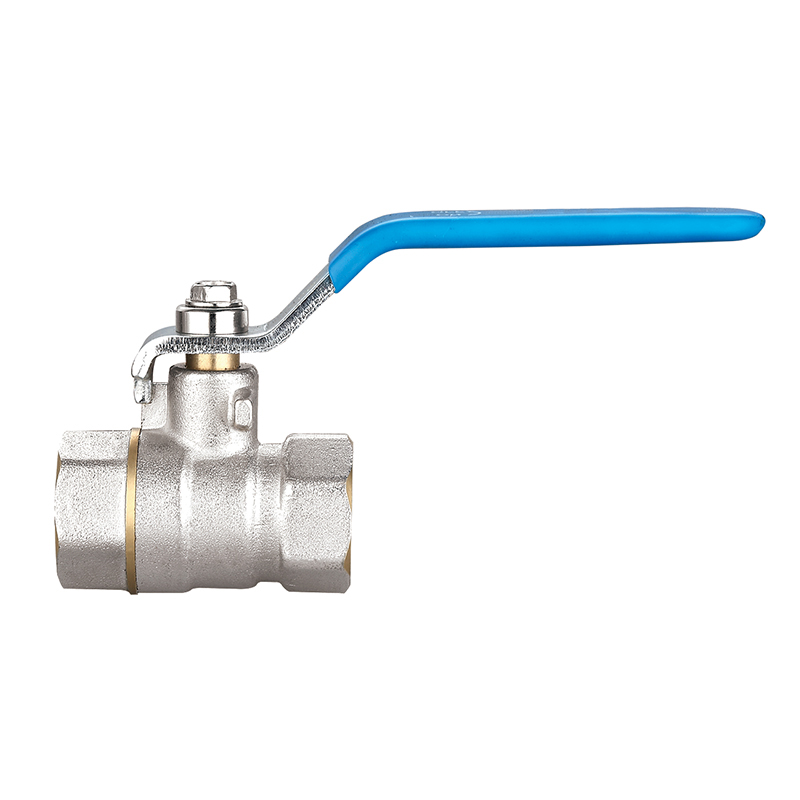

Polished Bibcock Factory Casting Quality Hidden Details
2026-05-22
A bibcock is a straightforward piece of hardware. It controls water flow, connects to a pipe, and does its job without demanding much attention from the people who use it. That simplicity is deceptive, though — because behind the finished product sits a manufacturing process with enough variables to produce meaningfully different results depending on which polished bibcock factory made it.
What a polished bibcock factory actually produces
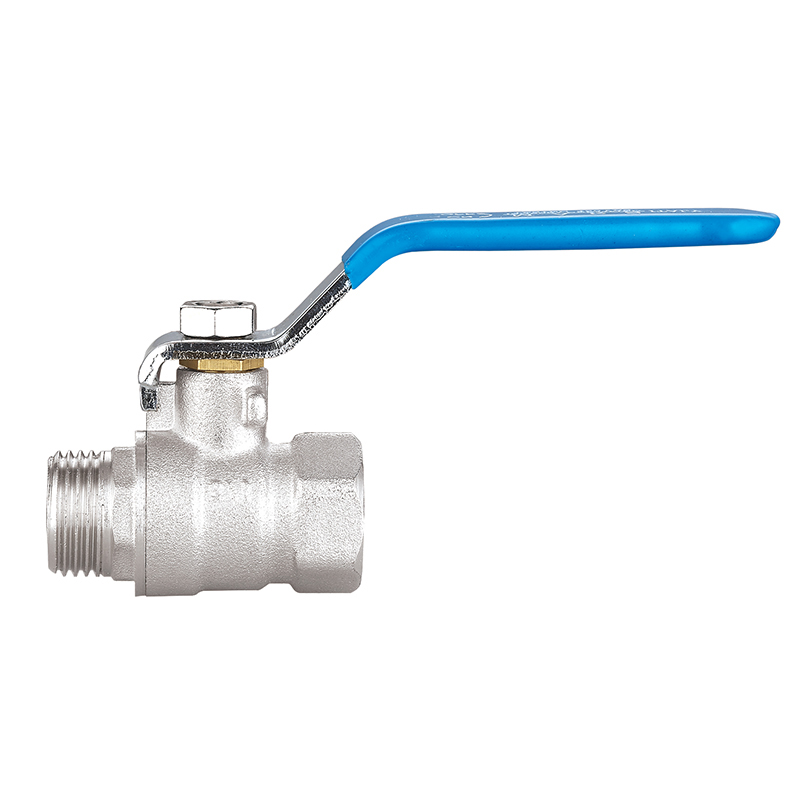
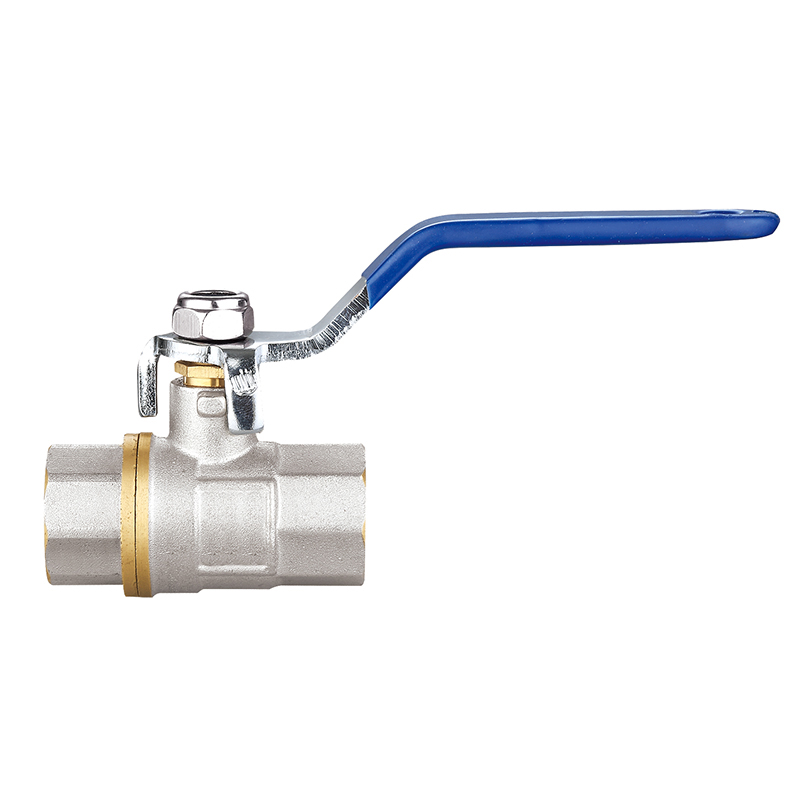
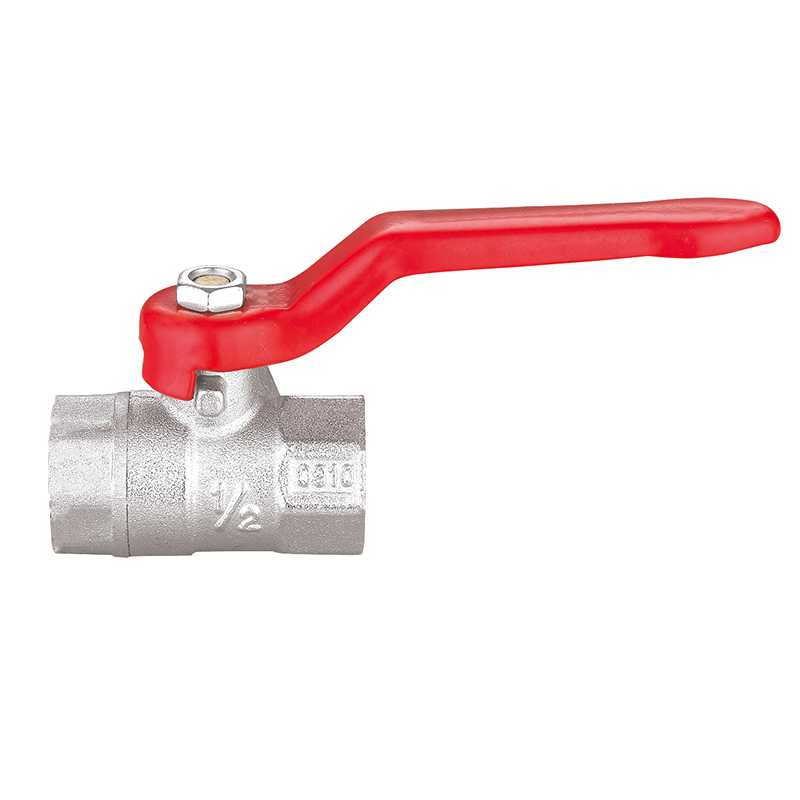
The polished bibcock category covers a range of tap and stopcock designs used in residential, commercial, and light industrial plumbing applications. Garden taps, bib taps for utility connections, wall-mounted outdoor outlets, and laboratory bench taps all fall within the product family. What unites them is the combination of a functional valve body — typically brass — with a surface finish polished to a degree that makes the product presentable for visible plumbing applications rather than purely concealed pipework.
A factory producing polished bibcocks at volume is running several distinct processes under one roof: casting or forging the valve body, machining the internal seat and thread profiles, assembling the spindle, washer, and handle components, and then putting the finished body through a surface preparation and plating sequence that produces the polished result. Each of these stages has its own quality variables, and a weakness at any point in the chain affects the finished product in ways that aren't always visible until the bibcock is in service.
Base material and casting quality set the ceiling for everything else
Brass is the standard body material for polished bibcocks across most market segments, and not all brass is the same. Lead-free brass alloys — increasingly specified for potable water applications under regulations in Europe, North America, and parts of Asia — have different machinability characteristics from conventional leaded brass. A factory that has genuinely transitioned its production to compliant alloys, with the testing documentation to back that claim, is in a different position from one that lists lead-free compliance on a catalog page without the metallurgical verification to support it.
Casting quality matters in a direct way. Porosity in the valve body — small voids left by gas entrapment during casting — creates two problems. First, it gives the polishing process a surface it can't fully remedy; pits and inclusions show through even a heavy plate finish. Second, porous castings are structurally weaker and can weep under sustained water pressure, which is a failure mode that sometimes takes months to appear after installation. Factories running pressure testing on cast bodies before they reach the finishing line catch this early. Those that don't pass the problem downstream.
The polishing stage is where the polished bibcocks factory's finishing capability becomes visible. A mirror-polished chrome surface over a well-prepared brass substrate requires multiple abrasive and buffing stages before plating, followed by copper underplating and a chrome or nickel top coat applied to controlled thickness. Shortcuts at any stage — fewer polishing steps, thinner plate deposits, skipped copper undercoats — produce a finish that looks acceptable in a product photograph but shows wear, tarnishing, or adhesion failure within a short period of installation.
Contact us
Whether you want to become our partner or need our professional guidance or support in product selections and problem solutions, our experts are always ready to help within 12 hours globally.
INQUIRY NOW
CONTACT


- ADD: Small and micro industrial points, Yungang Village, Chumen Town Yuhuan, Zhejiang, China PC:317605
- E-mail: [email protected]
- Phone:+86-13586173881
Copyright © Zhejiang Yuhuan Shuangwei Copper Products Co., Ltd. All Rights Reserved.
Valve and Pipe Fitting Company
